Problem
Every week looked the same at an Enterprise with accounting and operations on Tally and ERP: someone emailed an Excel file, someone else replied with "v2_final_really_final," and leadership spent the first half of the review reconciling numbers instead of deciding. Accounting pulled from Tally. Operations pulled from their own trackers. Sales had another sheet. None of the definitions matched, "closed" meant invoiced to finance, fulfilled to ops, and won to sales.
The cost was not only wrong totals. It was trust. When two packs disagree, people stop using dashboards and go back to WhatsApp. Recurring issues: stuck invoices, delayed closures, missing stock counts, overdue collections: had no owner and no trail. Team leads burned hours chasing colleagues for updates they had already sent in a different version of the same file.
Pretty charts were not the gap. The gap was agreement on three basics: one definition per KPI, one refresh path with named owners, and one meeting pack that finance and ops opened together.
Approach
We mapped the real review cycle first: which questions leadership asks every Monday, which numbers they argue about, and which follow-ups burn the most hours. Then we rebuilt reporting around those questions: not around every column in the ERP.
- KPI dictionary, Agreed definitions for DSO, stock ageing, collection efficiency, and close status so every department used the same language.
- Controlled data pulls, Built MIS views in Excel and Google Sheets with scheduled exports from Tally/ERP and refresh timestamps everyone could see.
- Exception alerts, Management review trackers with conditional formatting so overdue approvals, mismatched balances, and missing fields lit up before the meeting.
- Department dashboards, Aligned each team to a short KPI set they already owned in day-to-day work: not a new metric list invented for the project.
- SOPs and access, Documented who edits sources, who consumes live views, and how to handle a broken refresh: so knowledge did not leave when one person went on leave.
How It Worked
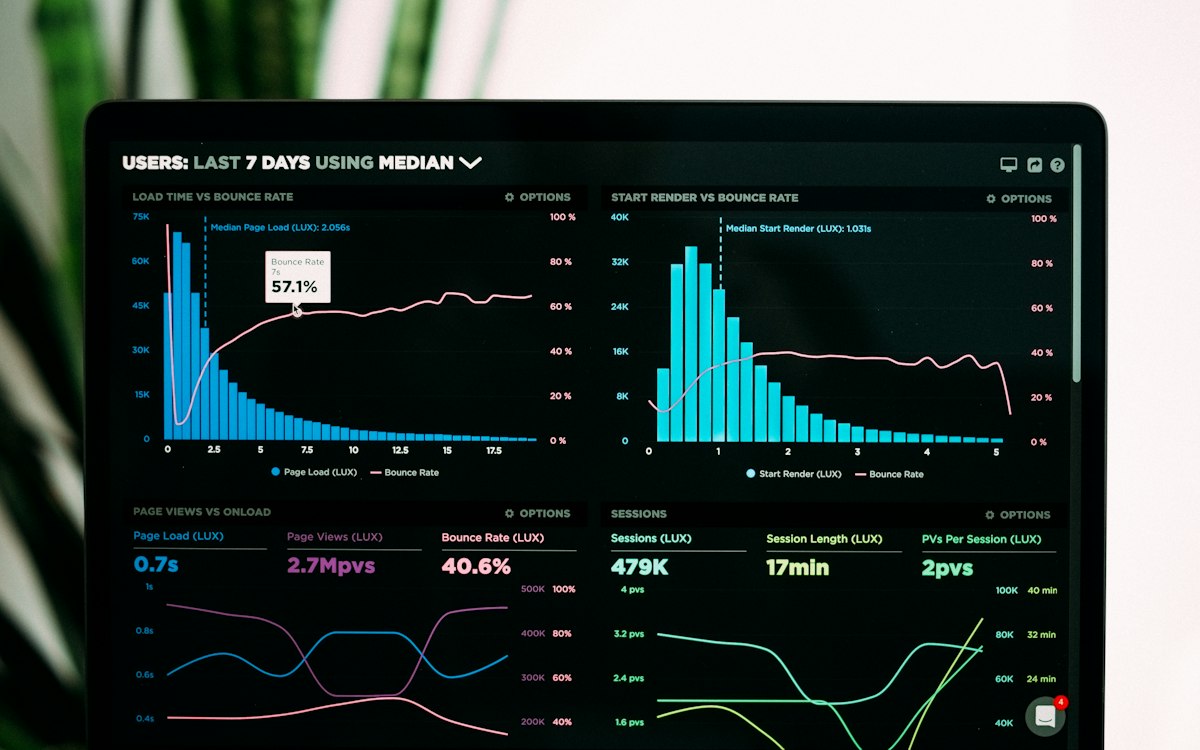
Instead of mailing files, owners updated the shared source before the cut-off. Exceptions lit up in color: overdue approvals, mismatched balances, missing fields: so the meeting started with problems, not archaeology. Finance opened the collections view; ops opened fulfilment; leadership opened the consolidated pack with drill-downs to each owner's exceptions.
New joiners followed the SOP instead of inventing a private spreadsheet. When someone questioned a number, the trail was visible: source system, last refresh, owner, and exception status. The weekly review shifted from "send me your file" to "let's decide on these five red items."
Outcome
Record-management inaccuracies dropped by about 15%. Leadership shifted from chasing updates to reviewing a live pack. The same framework became the default for departmental MIS: leaner prep cycles, less manual follow-up, and reduced rework when someone discovered a formula error the night before a board pack.
Handoffs between accounting and operations improved because both teams referenced the same definitions and the same refresh schedule. The improved process survived personnel changes because ownership and KPI meanings were documented, not tribal knowledge.
Over time, the culture shifted: teams stopped treating the Monday pack as a scramble and started treating it as a standing operating rhythm. Exceptions were expected, owned, and closed: not discovered live in front of the CEO. Department heads reported that prep time before reviews dropped noticeably once the shared source replaced the email chase.
Lessons
Dashboards fail when they are decoration on top of disagreement. Start with KPI definitions and ownership, then automate the refresh path. A simple live sheet with clear exceptions beats a polished report nobody trusts.